
Bringing AI to your business
I run online businesses with no employees. One has made over $1.6M through Stripe, and AI agents now handle its support, marketing, books and servers, so I work about four hours a week.
If you sell online, whether software, a store, an agency or content, most of these jobs look the same in your business. Below is what the agents actually do, area by area, with the skills they use and the articles and videos where I show them working. How I keep it all secure has its own page.
I go through these areas with you, find what is worth handing to AI first, and help set it up. The first conversation and the written plan are free.
What the agents do, by area
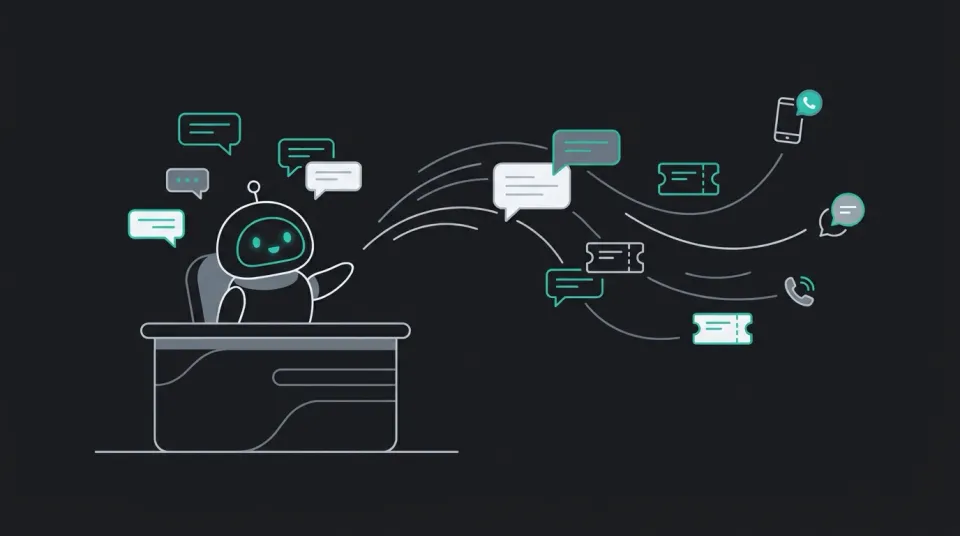
Customer support
- Moved support off Zendesk to a help desk on my own server, with an AI assistant built in. No support staff.
- Finds tickets waiting on a reply, drafts the answer, updates status and tags
- Bug reports and complaints, screenshots included, are checked against the real logs and come to me with a diagnosis and a plan; nothing deploys until I approve
- Tells real defects and billing issues apart from feature wishes and spam
- Answers on WhatsApp, Telegram, Signal, SMS and more from one place, each reply approved first
- Reads its own SMS verification codes instead of asking someone to check a phone

Website, SEO and AI search
- Made ChatGPT the top source of new accounts for one of my products in a month, ahead of all paid ads combined, for $0 (how)
- Checks whether AI assistants can reach, read and quote the site, as each major AI crawler sees it
- Landing pages built after exploring four to six design directions, with structured data, previews, sitemaps and analytics
- Every page clicked through on desktop and phone before release: broken buttons, overflow, tap size, contrast
- Page speed checked against a budget on every change
- A launch only counts once real clicks show up in analytics
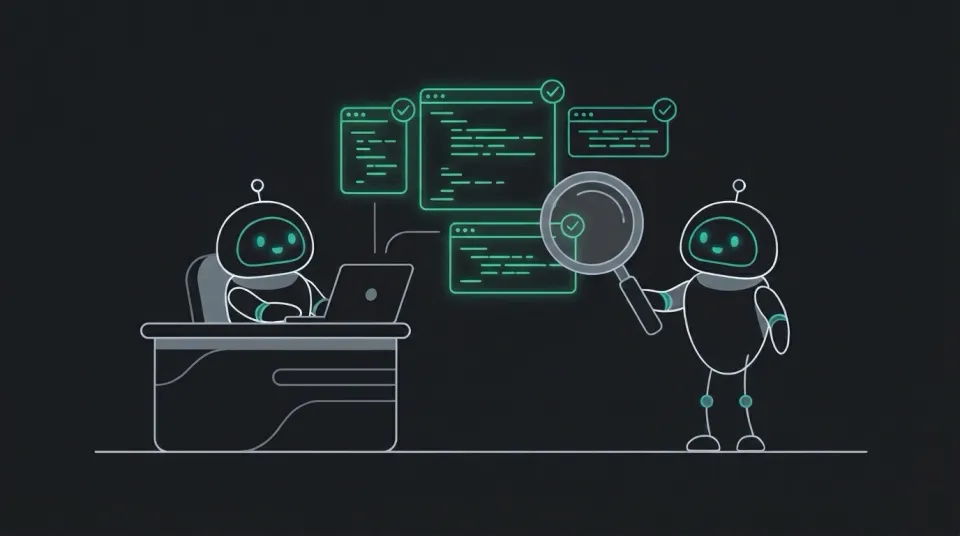
Development
- 1,119 commits last week, mostly written by agents
- Nothing lands until its tests pass and a separate reviewer agent approves it
- Every bug fix comes with a test that fails on the old code and passes on the fix
- Big builds split across several agents, with a tester agent cycling until every check passes
- A failing test is traced to our bug or the vendor’s before anyone touches code
- Closed apps with no API turned into tested commands by reverse-engineering their traffic
- A bad deploy of this site rolls back in about a second

Design
- Web pages explored, critiqued and polished against a quality bar, with contrast and layout checked automatically
- Social graphics, logos and app mockups; any image with text must pass a readability check
- Slide decks, every changed slide checked before moving on
- Words inside a screenshot changed so the edit is invisible
- The builder never grades its own design: a separate critic compares it to a real reference

Video
- Video ads written, graded and rewritten by a loop of agents: 26 versions with no input from me
- Launch and promo videos built from a product’s own site, colours and assets
- Narrated explainer videos made from an article or straight from a code change
- Motion graphics: animated type, counting stats, charts and logo stings
- Captions added to talking-head footage, on my own machine
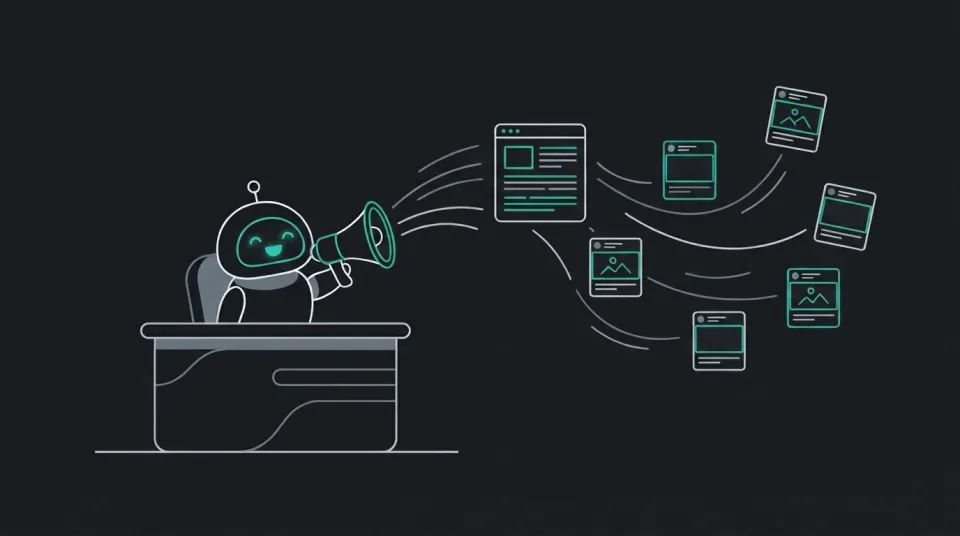
Marketing and content
- Blog posts taken from outline to illustrated draft to published
- Every post turned into drafts for X, LinkedIn, Reddit and the right communities; nothing goes out unapproved
- Facebook, Instagram, Google and Reddit ads; new campaigns start paused with a spending cap
- A catalog of 48 channels, each scored, with an owner, a metric and an end date
- Launch-day plans for Hacker News, Product Hunt, Reddit and X that follow each site’s rules and never ask for votes
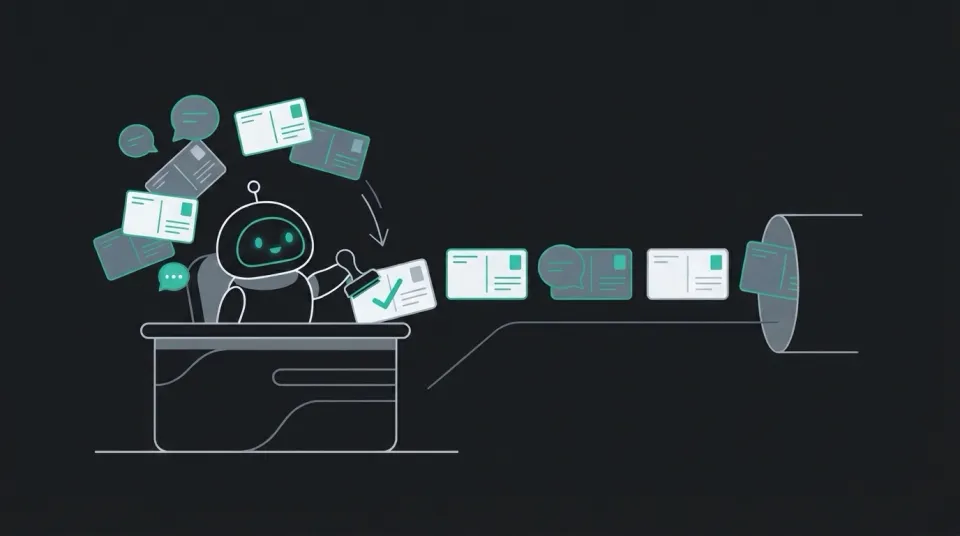
Social media
- Posts to X queued for review and scheduled into open slots, never fired off immediately
- Finds people on Reddit and X publicly asking for what a product does, and drafts a reply
- Checks a subreddit’s rules, size and allowed post types before posting, and paces posts like a person
- Reads and replies to Instagram and TikTok comments, with a rehearsal mode that types and clears without sending
- A post only counts once it is confirmed live on the platform
Sales and outreach
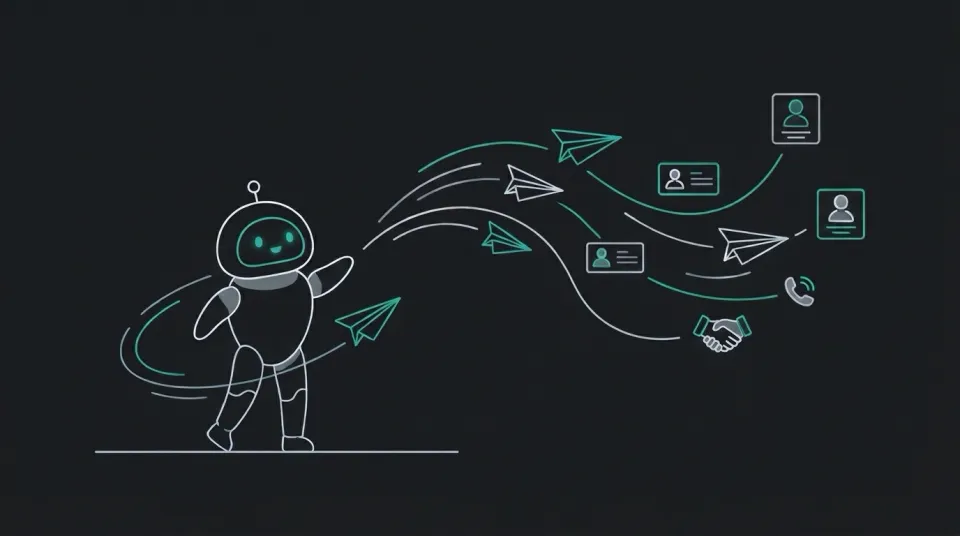
- Watches Reddit, X, Hacker News, LinkedIn and more for relevant conversations and drafts a reply
- A daily LinkedIn run: find prospects, write a personal note for each, track who replies
- Every outgoing message drafted in my voice, tested against about 19,000 of my real ones
- Real phone calls by an AI voice agent: phone menus, hold music, and I can take over mid-call

Finance and accounting
- Went through my books line by line and replaced $5,509 a year of software (breakdown)
- Running costs down 61%, from $71k a half-year to $27.5k
- Bank transactions categorized in my accounting software
- Revenue, customer and failed-payment reports from Stripe, read-only by design
- Payments are previews until I approve them, under a daily cap
- Every subscription logged with its renewal and cancel-by date
Email and admin
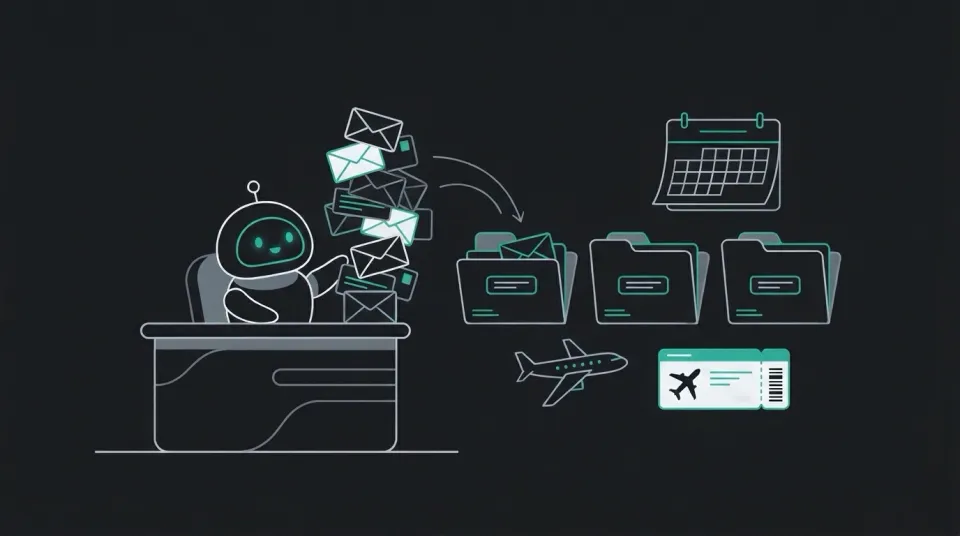
- Inbox taken from 424 messages to 169, with written rules on what it may never delete or send
- Calendar events created and on my phone instantly
- Flights searched and filled in up to the payment step, with my seat and bag preferences
- Logs in to sites with saved passwords and 2FA codes, and gets past CAPTCHAs

Servers and operations
- Alerts go to an agent that starts investigating instead of buzzing my phone
- Every running service compared against what should be running, so one that died quietly shows up
- Deploys, settings and logs on my self-hosted platform
- Domains, DNS and email forwarding managed; nothing bought without confirmation
- Reminders and follow-ups that outlive a session wake an agent when the email or reply arrives

Research
- Deep research across GitHub, X, Reddit, Hacker News and blogs, with sources
- Data pulled from sites with no API; whole sites turned into readable documents
- Business ideas researched for market, competitors and pricing before anything is built
- Product names screened for domain, trademark and search conflicts

Memory and reporting
- A long-term memory every agent can read, and each new fact is confirmed saved
- The history of any past project rebuilt from sessions, cards, git and chats
- An end-of-day report from eight sources that separates the agents’ work from mine
That is a sample. The agents follow 273 skills in all, every one on the skills map; the hardware and models are on my setup page. I write about all of it on my blog and post demos on X.
How it works
1.Map how work moves
You tell me which tools you use and which jobs come back every week. On a 30-minute call I map who does what and how often.
2.Sort every recurring job
Each job goes in one of three places: an agent can do it, a cheaper or open-source tool can replace it, or it stays with a person.
3.Get a written list
In the order I would do them, with a rough estimate of the time or money each saves, what I have already built for the same job, and the access each one needs.
Get in touch
A few lines is enough: what your business sells, the tools you pay for, and the jobs that take up the week.